

Thoughts On Horace Mann
Mann Believed Democracy Depended On Education.

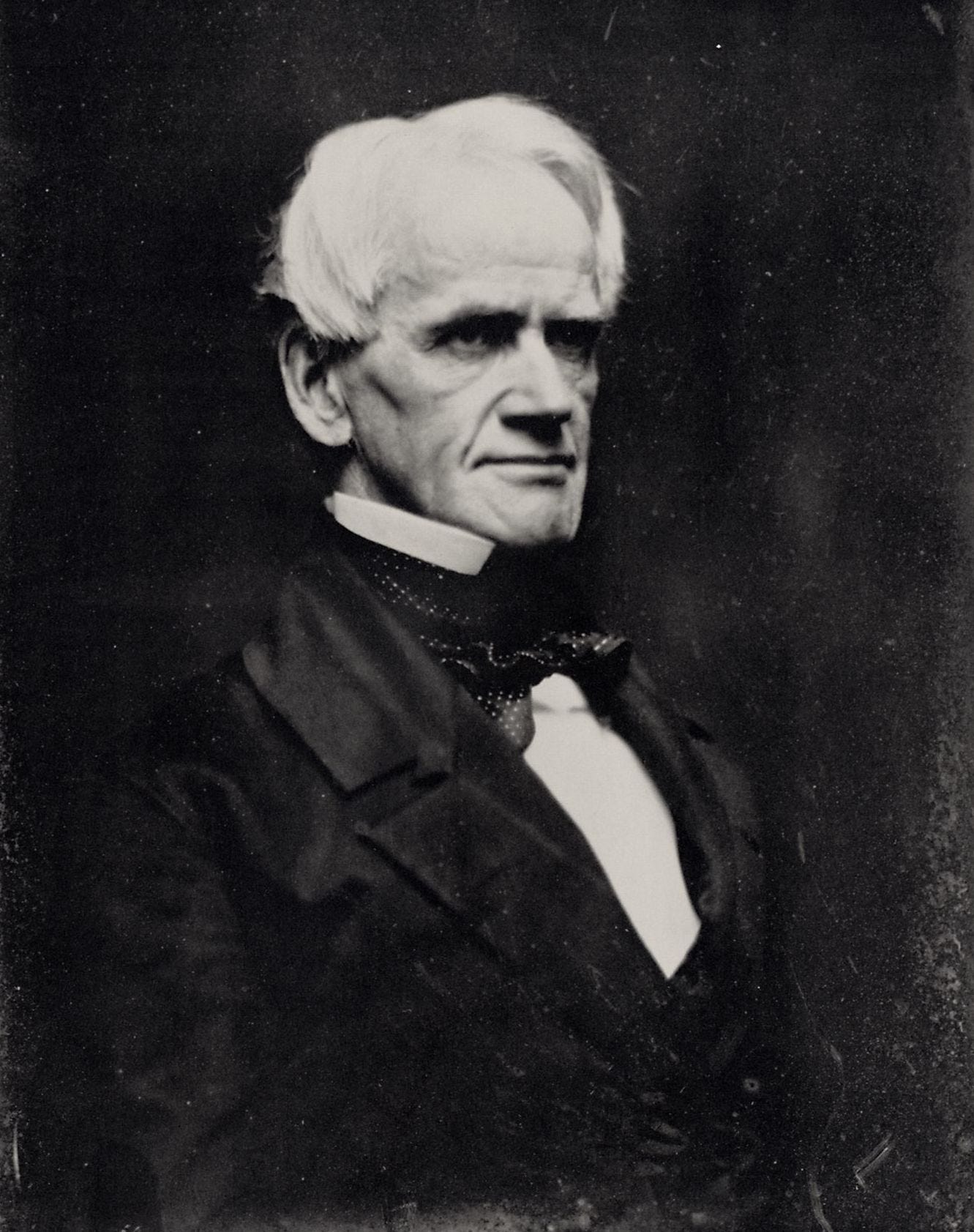
There are certain names that show up in textbooks with a kind of polite inevitability, the way a coat rack sits in the corner of a room. Horace Mann is one of those names. You learn that he had something to do with public schools, that he believed in education, and that he lived in a time when people still wrote letters instead of emails. Then you move on. But if you stop and think about it, as Mann himself might have insisted you do, the idea he championed was anything but ordinary.
Mann believed that education should be available to everyone. Not just the wealthy, not just the well-connected, but everyone. It sounds obvious now, almost dull in its familiarity, like saying roads should be paved or water should be clean. But in the early 19th century, this was a radical proposition. Schools were inconsistent, underfunded, and often reserved for those in positions of privilege. Mann looked at that patchwork and saw not just inefficiency, but injustice.
What’s striking is how moral his argument was. Mann did not just say education was useful. He said it was necessary for the survival of democracy. An educated public, he argued, would be less likely to fall for demagogues, less likely to descend into chaos, more capable of governing itself. It is the kind of argument that feels both inspiring and slightly accusatory. If education is the foundation of democracy, then every failure in our schools is not just a bureaucratic problem. It is a civic one.
And here we are, nearly two centuries later, still arguing about schools with the same urgency and the same confusion. We debate funding, curriculum, parental rights, federal versus local control. We talk about test scores as if they are stock prices. Mann might recognize the shape of these debates, even if the details would puzzle him. He might also wonder why something he considered so essential remains so unsettled.
There is something very American about that. We like to treat foundational ideas as if they are permanently up for negotiation. We inherit them, argue over them, reshape them, and sometimes forget why they mattered in the first place. Horace Mann did not build a perfect system. No one does. But he gave the country a framework and, more importantly, a standard. Education was not a privilege. It was a public good.
If Mann were around today, I suspect he would not be impressed by our ability to name schools or rank universities. He would ask simpler questions. Are we actually educating people? Are we preparing them to participate in a democracy? And perhaps most uncomfortably, are we living up to the idea that everyone deserves that chance.
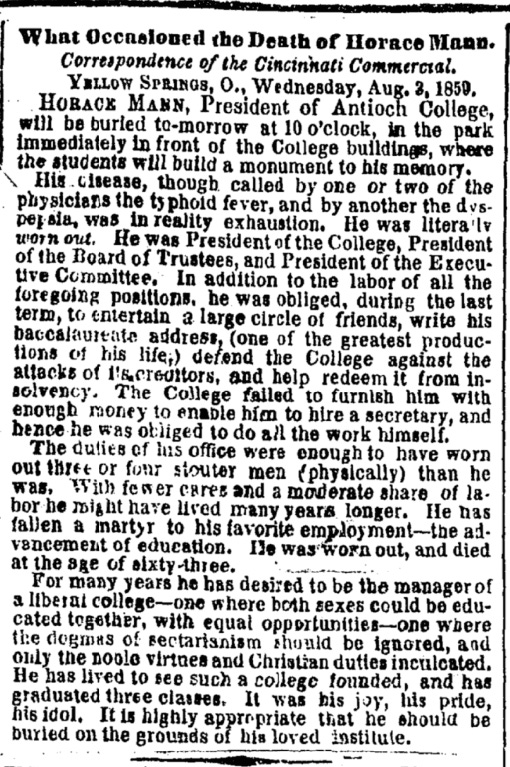
Those are not historical questions. They are today’s questions. And like most good ideas, Mann’s has not aged into irrelevance. It has aged into responsibility.